
AI’s Disruption of SaaS: Why Software Shares Struggle in the AI Era
Introduction to AI-Driven Search
The digital landscape is evolving rapidly, with AI-powered search engines reshaping how users find information online. Traditional Search Engine Optimization (SEO) is no longer enough to secure top rankings. As AI algorithms like those powering Google’s Search Generative Experience (SGE) and other platforms prioritize user intent and context, a new approach Answer Engine Optimization (AEO) is critical. AEO focuses on delivering precise, engaging answers to user queries, aligning with Generative Engine Optimization (GEO) and Response-Aware Optimization (RAO). This article explores how to adapt your web content for AI search, ensuring visibility, relevance, and user satisfaction in this new era.
Understanding AEO and Its Importance
What Is AEO?
Answer Engine Optimization (AEO) is the practice of tailoring web content to meet the demands of AI-driven search engines that prioritize direct, concise, and authoritative answers. Unlike traditional SEO, which focuses on keyword density and backlinks, AEO emphasizes understanding user intent and delivering value through structured, high-quality content. AI search engines, like those using natural language processing (NLP), aim to provide instant answers, often in the form of snippets, summaries, or conversational responses.
Why AEO Matters for Your Website
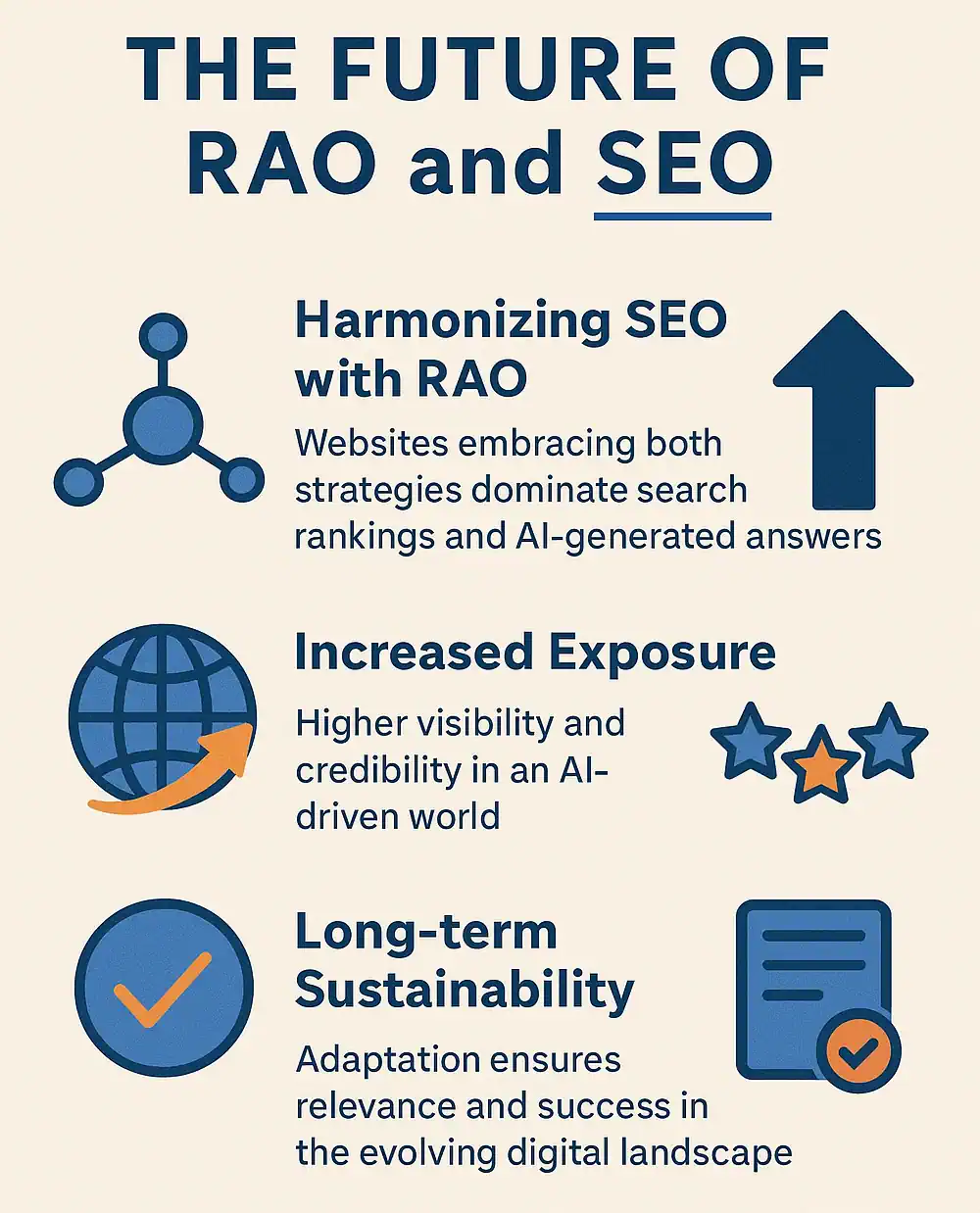
AI search engines are becoming the primary way users interact with information online. For instance, tools like Google’s SGE or conversational AI assistants prioritize content that directly addresses user queries. By optimizing for AEO, you ensure your content is discoverable in these AI-driven ecosystems. This approach not only boosts visibility but also enhances user engagement, as AI systems favor content that aligns with GEO (optimizing for generative AI responses) and RAO (tailoring responses to specific user contexts).
Transitioning from SEO to AEO
Key Differences Between SEO and AEO
While SEO relies heavily on keyword research, meta tags, and link-building, AEO takes a more holistic approach. Heres how they differ:
- User Intent Focus: SEO targets broad keywords, while AEO prioritizes answering specific questions users might ask.
- Content Structure: AEO demands clear, concise, and structured content that AI can easily parse and summarize.
- Contextual Relevance: RAO, a subset of AEO, emphasizes tailoring content to user location, device, or search history, making it more personalized.
To transition effectively, you need to blend traditional SEO techniques with AEO strategies, ensuring your content is both discoverable and valuable to AI algorithms.
Steps to Shift Your Strategy
- Audit Existing Content: Review your website to identify content that aligns with user intent. Tools like Google Analytics can reveal which pages attract queries that AI might prioritize.
- Incorporate Structured Data: Use schema markup to help AI understand your contents context, such as FAQs, how-to guides, or product details.
- Optimize for Conversational Queries: AI search often processes natural language questions. Create content that answers how, what, or why queries directly.
By integrating these steps, your content becomes more compatible with AI-driven search, boosting its chances of ranking higher.
GEO: Optimizing for Generative AI
What Is GEO?
Generative Engine Optimization (GEO) focuses on optimizing content for AI systems that generate responses, such as chatbots or virtual assistants. These systems don’t just pull snippets; they synthesize information to create conversational answers. GEO ensures your content is structured and authoritative enough to be a primary source for these AI-generated responses.

Best Practices for GEO
- Use Clear Headings and Subheadings: AI systems rely on structured content to extract key information. Use H2 and H3 tags to organize your content logically, as seen in this article.
- Incorporate Authoritative Sources: Cite credible references to boost your contents trustworthiness, a key factor in GEO.
- Write for Clarity: Avoid jargon and use simple language to ensure AI can parse your content effectively. For example, instead of leverage advanced methodologies, say use clear strategies.
By aligning your content with GEO principles, you increase its chances of being featured in AI-generated summaries or answers.
RAO: Personalizing for User Context
Understanding RAO
Response-Aware Optimization (RAO) tailors content to the specific context of a users query, such as their location, device, or search history. For instance, a user searching best coffee shops on a mobile device might expect results tailored to their city. RAO ensures your content is flexible enough to meet these personalized demands.
How to Implement RAO
- Localize Content: Include location-specific keywords or details, such as coffee shops in Seattle or New York fitness classes, to align with user intent.
- Optimize for Mobile: Ensure your website is mobile-friendly, as AI search often prioritizes mobile users. Fast load times and responsive design are critical.
- Use Dynamic Content: Implement tools like dynamic keyword insertion to adapt content based on user queries or demographics.
RAO enhances user experience by delivering hyper-relevant content, making it a cornerstone of AEO.
Practical Tips for AEO-Optimized Content Creation
Craft Content That Answers Questions Directly
AI search engines prioritize content that provides clear, concise answers. Use formats like FAQs, bulleted lists, or step-by-step guides to address user queries. For example, if targeting how to optimize for AI search, include a section that directly answers this question, as weve done here.
Leverage Visuals and Multimedia
Incorporate images, infographics, or videos to enhance engagement. AI systems can analyze visual content, so use descriptive alt text with keywords like AEO strategies to improve discoverability. For instance, an infographic summarizing SEO vs. AEO differences can make your content more shareable and engaging.
Monitor Performance and Iterate
Use tools like Google Search Console or AI-specific analytics platforms to track how your content performs in AI search results. Adjust your strategy based on which pages rank well or attract AI-generated snippets. This iterative approach ensures your AEO efforts remain effective.
Challenges and Solutions in AEO Adoption
Common Challenges
- Keeping Up with AI Updates: AI algorithms evolve rapidly, making it hard to stay current.
- Balancing SEO and AEO: Over-optimizing for AI can alienate human readers if not done carefully.
- Resource Constraints: Small businesses may lack the time or expertise to implement AEO fully.
Solutions to Overcome Them
- Stay informed by following industry blogs or AI search updates from platforms like Google.
- Blend AEO with user-friendly content, ensuring its engaging for both AI and humans.
- Start small by optimizing high-traffic pages first, then scale your AEO efforts over time.
By addressing these challenges, you can make AEO a sustainable part of your digital strategy.
Embrace AEO for Future Success
As AI search continues to dominate the digital landscape, adapting your web content for AEO is no longer optionalits essential. By understanding user intent, optimizing for GEO and RAO, and creating clear, authoritative content, you can boost your websites visibility and engagement. Start by auditing your existing content, incorporating structured data, and aligning with conversational queries. With these AEO strategies, your website will not only rank higher in AI-driven search but also deliver real value to users.
Begin your AEO journey today to stay ahead in the evolving world of search.
Ready to Craft Your Online Presence
Ready to take your website to the next level? At S|M|E, I specialize in cutting-edge web development, AI-powered search solutions, and advanced AEO/RAO/GEO optimization to boost your site’s performance and visibility. Our tailored services ensure your website captivates users and drives measurable results. Contact us today to bring your digital vision to life!